How Do You Stop Draughts Around Windows and Doors? The Allen Key Trick and Five Cheap Seals
The short answer: How to stop draughts around windows and doors? Start with the Allen key trick on any uPVC frames: open the window, find the small adjustment cams in the frame, and turn them with an Allen key so the sash pulls tighter shut. Then add five cheap seals: a letterbox brush, a keyhole cover, foam or brush strips on the window frames, a brush excluder under the external door, and a draught excluder in any unused fireplace. The Energy Saving Trust says draught-proofing windows, doors and floors saves around £55 a year in Great Britain, and a chimney excluder saves about £45 more. Never seal trickle vents, airbricks or the ventilation serving boilers, fires and flues.
The Allen key fix: how to stop draughts around windows and doors
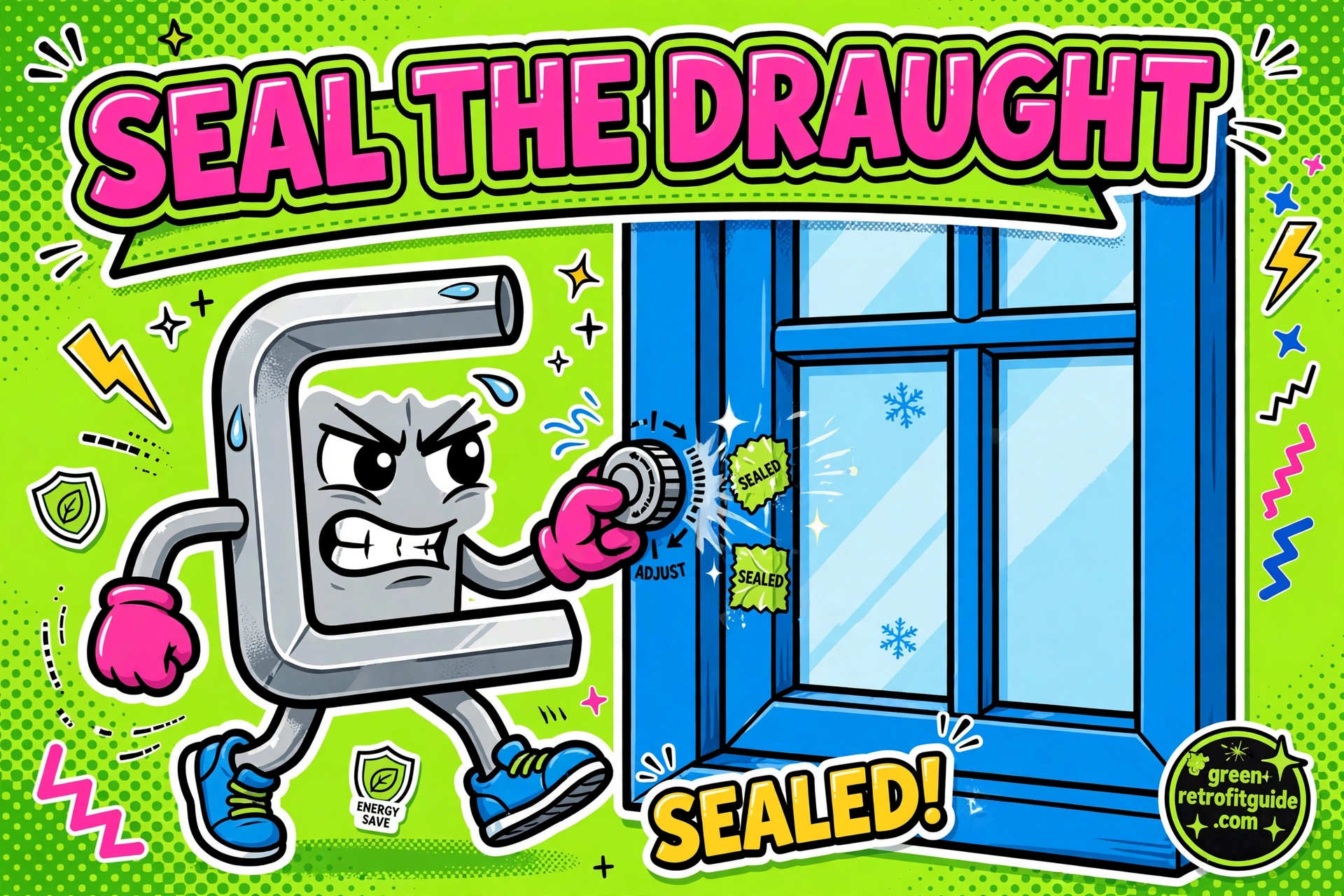
In autumn 2026, the consumer organisation Which? shared a simple trick in a TikTok video that quickly spread across UK regional press: many modern uPVC windows and doors have small adjustment mechanisms built into the frames, and one ordinary Allen key can tighten them. Holding up the key, Which? explained that turning the two cams in the window frame draws the strike frame inwards, sealing the window or door more tightly and erasing the small gaps that let cold air slip through. Their advice was plain: if the window needs too much force to close afterwards, turn the cams a little back the other way to give it slightly more room. As they put it, that leaves you with a draught-free window.
The trick works because uPVC frames do not sit perfectly still over the years. The frames shift slightly with temperature changes and the seals compress, so a window that closed snugly when it was installed can develop a whisper of a gap a decade later. The adjustment cams exist precisely to take up that slack, and most homeowners never learn they are there.
Step by step: how to tighten a uPVC window or door
Try the fix on one window first so you can feel the difference before doing the rest of the house.
- Open the window or door fully. Look along the edge of the frame for the small mushroom-shaped cams. They sit on the sash or door slab and engage with keeps on the frame when closed.
- Pick the right Allen key. The cams on most UK uPVC systems take a standard hex key, commonly 4mm. If yours does not fit, try adjacent sizes rather than forcing the wrong one.
- Turn each cam a quarter turn. Rotate the cams so they pull the sash tighter into the frame when closed. Close the window after each adjustment and feel the edge of the frame for the draught.
- Do not over-tighten. If the handle needs real force to close, you have gone too far. Back each cam off a little until the window closes with comfortable pressure. A window that will not close properly is worse than a draughty one, because you will simply leave it ajar.
- Test on a windy day. Run the back of your hand slowly around the closed frame. The absence of a cold stream of air is your confirmation, and it costs nothing to repeat each autumn.
Where the Allen key trick will not work
The trick only applies to uPVC windows and doors that have adjustment cams fitted, which covers most uPVC units installed in the last twenty years but not all of them. Timber and aluminium frames use different mechanisms, and very old uPVC units predate the adjustable cam design entirely.
It also cannot fix seals that have perished. If the rubber gasket around your window is cracked, flattened or pulling away from the frame, tightening the cams will not bring a dead seal back to life. The same applies to frames that are warped or to sashes that have dropped so far that the handle no longer engages properly. In those cases the right move is replacement seals or professional attention, and if the window is fundamentally past saving, secondary glazing is the cheaper route to a warmer room than full replacement.
Five cheap seals that stop draughts fast
The Allen key fix costs nothing, but it only deals with frame adjustment. These five seals cover the other routes cold air takes into your home, and all of them come from the Energy Saving Trust’s draught-proofing guidance.
1. The letterbox brush
The letterbox is one of the biggest single gaps in many front doors, and it sits at exactly the height where wind pressure is strongest. The Energy Saving Trust recommends a letterbox flap or brush seal, with one practical warning: measure your letterbox before buying, because a seal that does not fit the slot properly is barely better than none. Fitting takes minutes with a screwdriver.
2. The keyhole cover
A standard keyhole is a tiny hole straight through your front door, and on a windy night it whistles. A purpose-made keyhole cover drops a metal disc over the hole, closing the gap while still letting you use the key. It is the cheapest item on this list and takes seconds to fit.
3. Window frame strips
For windows that open, the Energy Saving Trust advises sticking draught-proofing strips around the frame to fill the gap between the window and the frame. Self-adhesive foam strips are cheap and easy to install, but the Trust warns they may not last long; metal or plastic strips with brushes or wipers attached last longer for a little more money. Size matters: a strip that is too big gets crushed and the window may not close, while one that is too small leaves the gap for the draught to slip through. For sliding sash windows, foam strips do not work well, so fit brush strips or call a professional. For windows that never open, a bead of silicone sealant does the job instead.
4. The door excluder, top to bottom
The Energy Saving Trust breaks door draught-proofing into four areas: the keyhole, the letterbox, the gap at the bottom, and the gaps around the edges. For the bottom gap, use a brush or hinged flap draught excluder; for the edges, fit foam, brush or wiper strips like those used on windows. A weighted fabric excluder that simply lies against the door is the zero-DIY option for the bottom gap. One important rule: internal doors should not be draught-proofed, because the gap beneath them is needed for air to flow through the home.
5. The chimney balloon for the unused fireplace
An open chimney is effectively a hole in the roof, and if the fireplace is never lit, warm air escapes up it all winter. The Energy Saving Trust gives two options: fit a cap over the chimney pot, which also protects against moisture and birds but starts at around £150, or buy a chimney draught excluder that fits inside the chimney or around the fireplace. The excluder should not block the chimney fully, since some ventilation is still needed, and many designs are removable so the fireplace can be used occasionally. One rule is absolute: remove the draught-proofing before lighting a fire.
How much can you actually save?
Only quote savings that come from a verified source, so here are the Energy Saving Trust’s current figures. Draught-proofing around windows, floors and doors saves around £55 a year in Great Britain. Draught-proofing an unused open chimney saves around £45 a year more. Draught-free homes feel comfortable at lower temperatures, so turning the thermostat down from 22C to 21C can save around £120 a year on top.
As for cost, the Trust says professional draught-proofing of windows and doors comes to around £250 for a whole house, and doing it yourself with strips, seals and excluders is cheaper. The total outlay for all five fixes on this list is a fraction of the professional price, which is why draught-proofing consistently ranks as the most cost-effective energy upgrade you can make. If money is genuinely tight, check which insulation grants you may qualify for, because several schemes bundle draught-proofing with free insulation.
What you must never seal
Stopping uncontrolled draughts is not the same as sealing the house shut, and getting this wrong is the one way to make draught-proofing harmful. The Energy Saving Trust is explicit: good ventilation is still essential, so you must not block vents, chimneys or airflow needed for safety and air quality. In practice that means:
- Trickle vents on windows must stay open. They are deliberate ventilation, not draughts, and they are the main defence against condensation. Our guide to stopping window condensation explains what happens when moisture has nowhere to go.
- Airbricks and wall vents stay clear, especially those serving underfloor spaces and gas appliances.
- Ventilation for boilers, fires and flues must never be blocked. If your home has flueless gas appliances, they need ventilation to operate safely, and fixed ventilation openings for them must stay open.
- The gap under internal doors is there on purpose to keep air moving through the home.
When to call a professional
Simple DIY draught-proofing is straightforward if you are comfortable with basic tasks, but older homes with traditional features are harder and are where the Energy Saving Trust suggests getting help. Sash windows, timber frames and listed properties often need specific materials and care. Get three quotes from reputable installers, and use the TrustMark scheme, the government-endorsed quality assurance scheme, to find a certified tradesperson.
Frequently asked questions
Does the Allen key trick work on all uPVC windows?
It works on most modern uPVC windows and doors that have adjustment cams fitted, which is the majority of units installed in the last twenty years. It will not work on very old uPVC units that lack the cams, on timber or aluminium frames, or where the seals themselves have perished.
Can I draught-proof a window without an Allen key?
Yes. If you want to know how to stop draughts around windows and doors without an Allen key, self-adhesive foam strips, brush strips and silicone sealant all stop draughts without any adjustment. The Allen key trick tightens the frame mechanism itself, while strips close gaps in the seals, so the two approaches complement each other rather than replace each other.
Should I seal the gap under internal doors?
No. The Energy Saving Trust says internal doors should not be draught-proofed because the gap beneath them keeps air flowing through the home. Only external doors should be sealed, using a brush or hinged flap excluder and edge strips.
How much does draught-proofing save?
The Energy Saving Trust estimates around £55 a year in Great Britain for draught-proofing windows, floors and doors, plus around £45 a year for an unused open chimney. Turning the thermostat down from 22C to 21C in a draught-free home saves around £120 a year more.
Is it safe to block a chimney I never use?
A chimney draught excluder is safe if it does not block the chimney fully and is removable, but you must remove it before lighting a fire. Never block ventilation openings that serve gas appliances, open fires or flues.
Sources
- Energy Saving Trust, Draught proofing: advice, costs and savings (energysavingtrust.org.uk/advice/draught-proofing/)
- Grimsby Live, Stop window and door draughts and cut heating bills this autumn with common tool, September 2026 (reporting the Which? TikTok Allen key video)
- The Sun, Top six autumn property checks to do now, September 2026 (Oliver Novakovic, Barratt Homes, on ventilation and draught excluders; Energy Saving Trust £55 figure)
